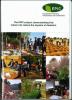
The EPIC project : demonstrating that nature can reduce the impacts of disasters
2017
Despite increasing recognition of the importance of ecosystem-based approaches for disaster risk reduction and climate change adaptation, implementation remains mostly underdeveloped worldwide. Lack of knowledge on the implementation process present an important barrier.
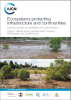
This book is a compilation of recent developments in the field of ecosystem-based disaster risk reduction and climate change adaption (Eco-DRR/CCA) globally. It provides further evidence that ecosystem-based approaches make economic sense, and showcases how research has progressively filled knowledge gaps about translating this concept into practice.

With the increasing threats that disasters present there is an urgent need to prioritise proactive disaster risk reduction over reacting to disaster events. The ecosystem approach for disaster risk reduction (Eco-DRR) is a key element of such preventive measures but still remains underdeveloped worldwide and in need of scaling up.

This Report is premised on the belief that in many countries the process of development itself has a huge impact — both positive and negative — on disaster risk. It shows how countries that face similar patterns of natural hazards — from floods to droughts — often experience widely differing impacts when disasters occur. The impact depends in large part on the kind of development choices they have made previously.

Mangroves are an incredibly important habitat, providing essential services for both people and nature. This guidebook provides an in-depth analysis on the role that mangroves play in defense against waves, storms, tsunamis, erosion and sea level rise. Working with the University of Cambridge to review hundreds of scientific papers, the guide book outlines a practical approach for coastal decision makers.

This publication presents 18 case studies to demonstrate how Protected Areas (PAs) can be better managed for disaster risk reduction (DRR) and climate change adaptation (CCA). The chapters vary from scientific studies to good practices, as well as (existing or required) policy frameworks that enable appropriate management. The book presents approaches from different regions and aims to cover a range of hazard events as well as a variety of ecosystem types.