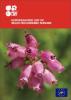
European Red List of selected endemic shrubs
2019
This report seeks to provide a framework to measure the nexus between gender and the environment. It proposes 18 gender-environment indicators for inclusion in the wider set of gender indicators, across the focal areas of right to land, natural resources and biodiversity; access to food, energy, water and sanitation; climate change, sustainable production and consumption, and health; and women in environmental decision making at all levels.

The Ganges River Basin is shared by four countries – Bangladesh, China, India and Nepal – and though it lacks a regional basin-level cooperation agreement to facilitate its joint management and address common challenges such as floods and climate change, there are four bilateral agreements on the Ganges River and its tributaries.

This rapid technical review assesses the “Updated Environmental Impact Assessment Report for 2100 MW Power Generation from the Rufiji Hydropower Project in Selous Game Reserve, Pwani and Morogoro regions, Tanzania” of 18 October 2018 that relates to a planned hydropower project to be built at Stiegler’s Gorge in the north of Selous Game Reserve.
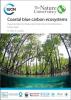
This policy brief examines the existing Intended Nationally Determined Contributions (INDCs) and ratified National Determined Contributions (NDCs) with regard to the inclusion of specific efforts addressing blue carbon ecosystems, namely mangroves, target_idal saltmarshes and seagrasses, as climate mitigation or adaptation solutions.

The present volume should be read in conjunction with State of nature conservation systems in South-Eastern Europe as it represents its integral part and foundation. Both reports follow the same logic and structure, and their content is presented through the same thematic chapters.
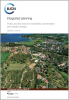
This publication explores emerging concepts, challenges, and key policy and law tools to help inform governments as they modernize public sector planning to better address 21st century change and advance their sustainable development goals.