Seal range state policy and management review
This study reviews range state policy and management responses to expanding or abundant species of seals -- the Cape fur, northern fur, hooded, harp, ringed, grey, harbour and crabeater seals.
This paper summarizes the business case for private sector applications of net positive impact (NPI). It outlines the opportunities available for businesses that implement best practice biodiversity management by applying NPI in their operations.
This briefing paper summarizes the main arguments, from a conservation perspective, for operationalizing the concept of net positive impace on biodiversity.
La stratégie de développement des capacités du programme BIOPAMA de l’Afrique centrale et occidentale vise à encourager les gestionnaires et administrateurs des aires protégées (AP) à utiliser le Système régional d’information, ou Observatoire régional sur la biodiversité et les aires protégées.
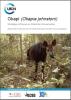
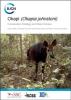
L'okapi (Okapia johnstoni), emblématique mais insaisissable, est un animal endémique des forêts tropicales du centre et du nord-est de la République Démocratique du Congo (RDC). Cette stratégie de conservation globale, qui couvre une période de dix ans, fournit un plan important pour une action commune afin d'assurer la survie de cette espèce du Congo unique et irremplaçable.
The iconic but elusive okapi (Okapia johnstoni) is endemic to the central and north-eastern tropical rainforest of the Democratic Republic of Congo (DRC). This comprehensive, ten-year conservation strategy provides an important roadmap for joint action to ensure the continued survival of this unique and irreplaceable Congolese species.
4 retornos, 3 zonas, 20 años es un llamamiento para crear un marco holístico mediante un lenguaje común que promueva el establecimiento de asociaciones de restauración de ecosistemas entre agricultores y usuarios de la tierra, empresas, inversores, gobiernos,
The threatened species categories used in Red Data Books and Red Lists have been in place for almost 30 years. The IUCN Red List Categories and Criteria provide an easily and widely understood system for classifying species at high risk of global extinction, so as to focus attention on conservation measures designed to protect them.